
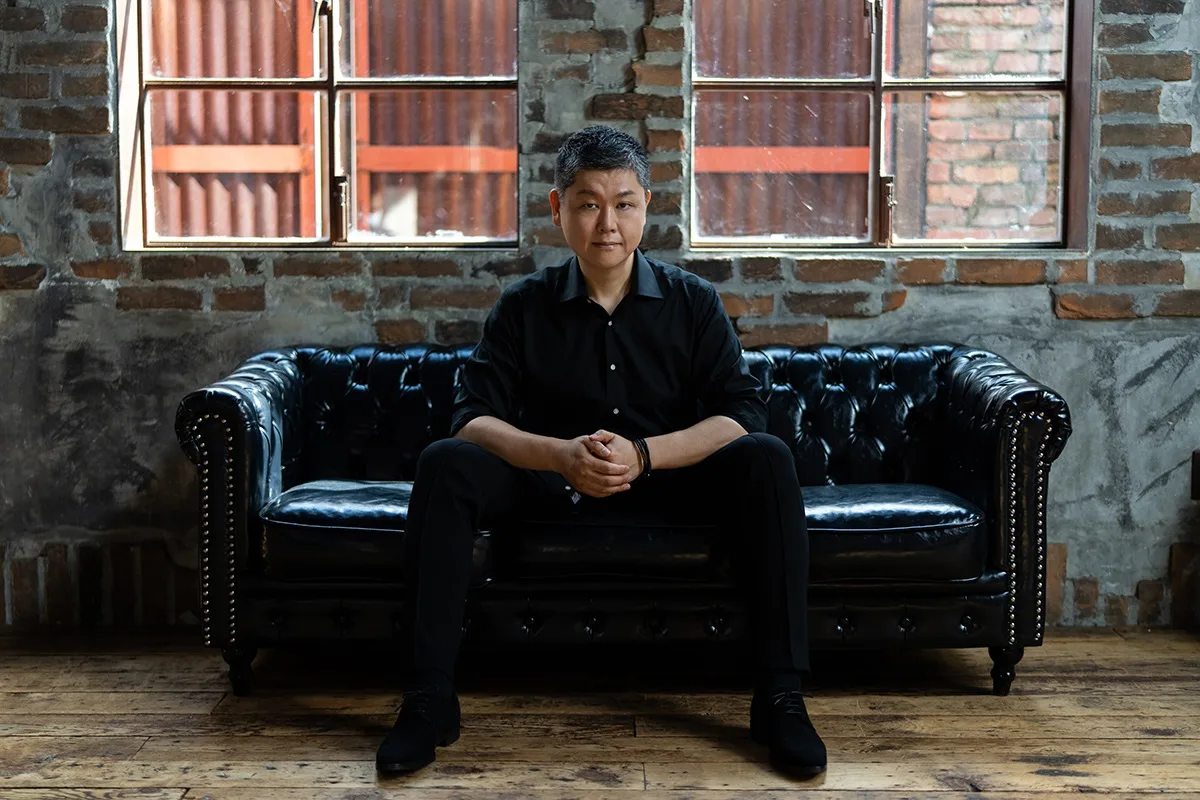

Kenji Ito: A JRPG Music Legend Who Treats Melody as the Soul
Kenji Ito, also known by the nickname Itoken, is one of the most recognizable composers, arrangers and pianists in Japanese game-music history. JRPG players connect his name with the SaGa, Mana, Culdcept and Puzzle & Dragons series. From Romancing SaGa, Romancing SaGa 2 and Romancing SaGa 3 to SaGa Frontier, Romancing SaGa: Minstrel Song, SaGa Scarlet Grace and SaGa Emerald Beyond, the “Itoken style” has become a direct keyword for recognizing Japanese RPG battle music and adventure melodies.
The easiest thing to remember in Ito's music is the melody. His themes are clear, bright and singable, remaining effective even when repeated in a game loop. His battle tracks use strong rhythm, rock-like momentum and rising melodic lines to push players into the feeling that they are actively choosing their fate. His work proves a simple but difficult proposition: a good game melody can be remembered away from the screen, but must still participate in the game experience.
Early Years: Piano and the Shock of Dragon Quest III
Public biographies place Ito's birth in Tokyo in 1968 and his childhood around Omiya in Saitama. He studied piano from an early age and also encountered clarinet and saxophone. Light music, Japanese New Music, television scoring and classical harmony gave him a broad early listening background.
According to the Chinese material provided for this profile, Ito heard the palace music from Dragon Quest III at a friend's house during high school and was struck by the solemn, expansive world that could emerge from Famicom sound. That experience is often understood as an important trigger toward game music: hardware sound is not “cheap” if melody and structure are strong enough to carry fantasy, epic scale and emotion.
The Square Years: A Newcomer, Nobuo Uematsu and SaGa 2
In 1990, Ito joined Square, now Square Enix. One of his early major projects was the Game Boy title SaGa 2: Hihou Densetsu, known overseas as Final Fantasy Legend II. He worked on the music alongside Nobuo Uematsu, beginning a relationship with the SaGa series that would last for decades.
From SaGa 2 and Final Fantasy Adventure to the Super Famicom Romancing SaGa trilogy, Ito established a personal method. He did not only write memorable tunes; he made melody perform an identification function in the game structure. Opening music establishes the promise of adventure, area music layers the world, and battle music turns the player's impulse to act into emotional momentum.
Romancing SaGa: Emotional Handles in a Free-Form System
The Romancing SaGa series differs from many linear JRPGs through its multiple protagonists, free exploration, consequences and relatively unsentimental world logic. Ito's music gives the player an emotional handle. Clear themes and strong motifs create coordinates inside an open system.
“Opening Title” is an important entry point into his early style. It carries the dual character of an overture and a march: the first half opens anticipation and mystery before moving into a brighter, rising theme that pushes the player toward the beginning of the journey. Even within the sound limits of the console, it has the stage presence of an orchestral overture.
The Itoken Style: Melody, Battle Music and Emotional Release
Fans use “Itoken style” to describe a group of listening characteristics rather than one technique: clear melodic lines, singable lead instruments, rock, fusion-jazz or progressive-rock momentum, bright harmony underneath the excitement and flexible movement between orchestral, folk, electronic and ethnic colors.
His battle music is especially distinctive. Romancing SaGa 2's “The Seven Heroes Battle” is a representative example. It does not rely only on speed and volume; strong motifs, modulation, organ and rock-like timbres, and rising melodic lines turn battle into a confrontation with a sense of destiny. The “Four Noble Devils” battle music in Romancing SaGa 3 similarly uses electric guitar, brilliant piano and powerful drums to push RPG battle music toward the feeling of a live band.
Lyrics and Places: From Rising Sun to Podorui
Itoken is not only a “battle-music king.” “Rising Sun” from Final Fantasy Adventure shows another side of his early melodic writing: warm, simple and bright, like the first light before an adventure begins. The melody has become an important memory in the Mana musical tradition.
“Podorui” from Romancing SaGa 3 is one of his lyrical area pieces. A northern town, perpetual night, snow and quiet air are organized through clear timbres and gentle woodwind-like lines. Its power is restraint rather than scale: the melody is a lamp in a cold night, giving the player a quiet, lonely and warm place to stay.
Freelance Years: From Culdcept to Puzzle & Dragons
In January 2001, Ito left Square and began working independently from February. Outside the company system, he continued game music while expanding into stage work, animation, songs for artists, album production, concerts and arranging. The Castalia Artist page lists him as the head of his label gentle echo, keyboardist for the official SaGa band DESTINY 8 and a guest professor at Senzoku Gakuen College of Music.
Important freelance works include Culdcept II, Culdcept Saga, Culdcept Revolt, Puzzle & Dragons, Puzzle & Dragons Z and works related to Cross Gate. He has also continued to return to Square Enix projects through Romancing SaGa: Minstrel Song, SaGa Scarlet Grace, SaGa Emerald Beyond and many SaGa concerts, remasters and arrangement projects.
Minstrel Song and Reworking Classics
The 2005 remake Romancing SaGa: Minstrel Song brought Ito back to the series to rework classic music. For longtime players this was not only a technical sonic upgrade but also a repair of memory: old melodies gained new space through modern instruments and arrangements while retaining their clear thematic identity.
This kind of reworking shows Ito's strengths. He does not simply make an old piece “bigger.” He preserves its melodic skeleton and emotional direction, then uses timbre, rhythm and harmonic layers to make it work for contemporary listening. That is why many SaGa pieces continue to succeed as piano music, band arrangements, orchestral performances and concert repertoire.
Recent Activity: SaGa Remains a Central Axis
In recent years Ito has remained closely connected with SaGa. The 2024 release SaGa Emerald Beyond continued his music work and extended the modern direction established by SaGa Scarlet Grace. Romancing SaGa 2: Revenge of the Seven also brought the music of Romancing SaGa 2 to a new generation.
Materials provided for this profile also mention Ito's recent lectures and piano performances in Shanghai, with pieces including “Rising Sun,” “Opening Title,” “The Seven Heroes Battle” and “Podorui.” For Chinese players, these events are more than a chance to see a composer in person: they turn the melodies of the golden age of JRPGs into a shared live listening experience.
Music Philosophy: Melody, Structure and Emotion
Kenji Ito's music can be summarized through three words: melody, structure and emotion.
Melody is the center. Game music must repeat, so a theme needs to be vivid without wearing out. Many of Ito's themes can be hummed away from the game, but they are not ordinary songs; they carry the function of a place, character, battle or stage of an adventure.
Structure is how he makes melody work in a game. Battle music needs a strong opening and loop endurance; area music must support long stays; a theme must summarize the tone of a story. Even in short loops, Ito often builds clear beginnings, turns, motifs and renewed momentum.
Emotion is what reaches the player. His excitement is not simply outward, and his lyricism is not merely soft. A strong Ito piece can make a player feel “I am fighting,” “I am traveling” and “I am meeting a fate” at the same time. This is why his music remains memorable years later.
Selected Works
- SaGa 2: Hihou Densetsu
- Final Fantasy Adventure
- Romancing SaGa, Romancing SaGa 2, Romancing SaGa 3
- SaGa Frontier
- Romancing SaGa: Minstrel Song
- SaGa Scarlet Grace
- SaGa Emerald Beyond
- Music legacy related to Romancing SaGa 2: Revenge of the Seven
- Culdcept II, Culdcept Saga, Culdcept Revolt
- Puzzle & Dragons, Puzzle & Dragons Z
- Music related to Cross Gate and Cross Gate 2
Ludamusea Note
Kenji Ito left more than a few “hype tracks.” He created an emotional method for JRPG music: melody gives an open system direction, battle music gives action momentum, and lyrical themes leave warmth in the world. The “Itoken style” is not just a fan label; it is a way of designing music that knots systems, battles, adventure and player memory together.
If Nobuo Uematsu showed a generation that RPG music could have epic scale, Kenji Ito proved that it could also be sharp, jumping, full of choice and improvisational energy. It can be hot-blooded or tender, folk-like or rock-driven. In the end, all of these elements return to one center: melody must have a soul.