
COMPOSER PROFILE / MICHIKO NARUKE
Michiko Naruke
From Tenshi no Uta to Wild Arms: Weaving Stories Through Singable Melodies
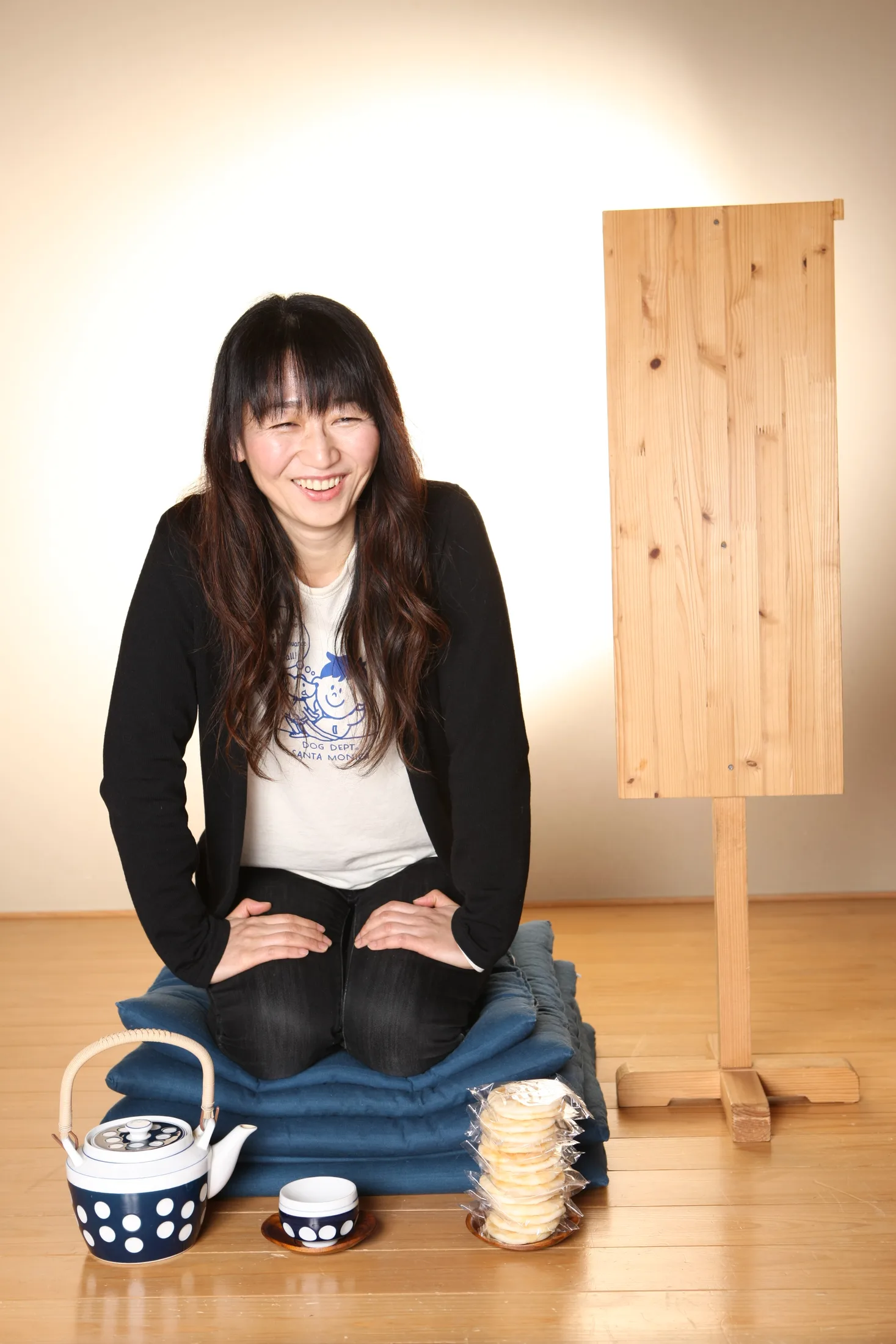
Michiko Naruke (なるけみちこ / 成毛美智子) is a Japanese game composer, lyricist and arranger. She began her career in game sound production at Telenet Japan and became widely known for the Wild Arms series after going freelance. Her subsequent work includes arrangements for the Super Smash Bros. series and contributions to ノーラと刻の工房 霧の森の魔女, Atelier Firis: The Alchemist and the Mysterious Journey, Eiyuden Chronicle: Hundred Heroes and many other projects. She continues to work independently across games, screen and stage productions, and vocal music.
Whistling and Westerns are important starting points for understanding Wild Arms, but they cannot explain the full range of Naruke’s music. Her background encompasses Electone, wind ensembles, Japanese popular songs and anime themes, jazz and crossover, fusion, and world music. More consistent across her work are singable melodies, themes that return within a story, characters’ perspectives, and a willingness to integrate lyrics, singing and arrangement into the same narrative structure when the project calls for it.
At a glance
| Professional name | なるけみちこ / Michiko Naruke |
|---|---|
| Name in kanji | 成毛美智子 |
| Birth and origin | Born in 1967; from Chiba Prefecture, Japan |
| Occupation | Freelance composer, lyricist and arranger |
| Career beginnings | Joined Telenet Japan’s music production division around 1990; subsequently became a freelancer |
| Signature series | Wild Arms |
| Selected projects | Tenshi no Uta, Psycho Dream, Wild Arms, ノーラと刻の工房 霧の森の魔女 and Eiyuden Chronicle: Hundred Heroes, among others; also contributed arrangements to Super Smash Bros. |
| Other activities | Television and stage music; lyrics, composition and arrangement for vocal music; songs for artists; independent production |
| Announced project involvement | ARMED FANTASIA (announced as a music contributor alongside Noriyasu Agematsu / Elements Garden) |
From Electone and wind ensembles to Telenet Japan
Naruke began learning organ in kindergarten and took up Electone from her third year of elementary school. She continued studying it at a specialist music school, becoming familiar with a performance approach in which one player uses both hands and pedal keyboards while also managing changes of timbre and expression. At music school she studied the foundations of arranging systematically. She had also played in a fife-and-drum band in elementary school and a wind ensemble in high school.
Her early musical interests were not confined to any one genre. Alongside Japanese popular songs, anime themes and wind music, Electone introduced her to jazz and crossover. She recalls listening frequently to Bob James, Chick Corea, The Crusaders, Casiopea and THE SQUARE, now T-SQUARE. The jazz, world music and works by Steve Reich she encountered at the large Roppongi record shop WAVE also provided inspiration.
Before entering the game industry, she worked in demonstration sales for instruments including KORG digital pianos, then handled synthesizers and desktop music equipment at a music shop. The job involved learning the hardware sequencers and synthesizers of the time herself and explaining how to use them to customers. Around 1990, she learned that Telenet Japan was recruiting game music staff, submitted a demo tape and was hired.
One experience that helped her see game music as a career was hearing about music production at SEGA from her bandmate Koichi Namiki, who was also the guitarist in S.S.T.BAND. At Telenet Japan, her work extended beyond composition to audio production, sampling and sound programming. Her early projects included the Tenshi no Uta series, Psycho Dream, 未来少年コナン and titles associated with Cosmic Fantasy. She later described Telenet at the time as a place with something of the atmosphere of a vocational school, where young developers learned by making actual games.
Tenshi no Uta: Bringing a theme back at the story’s end
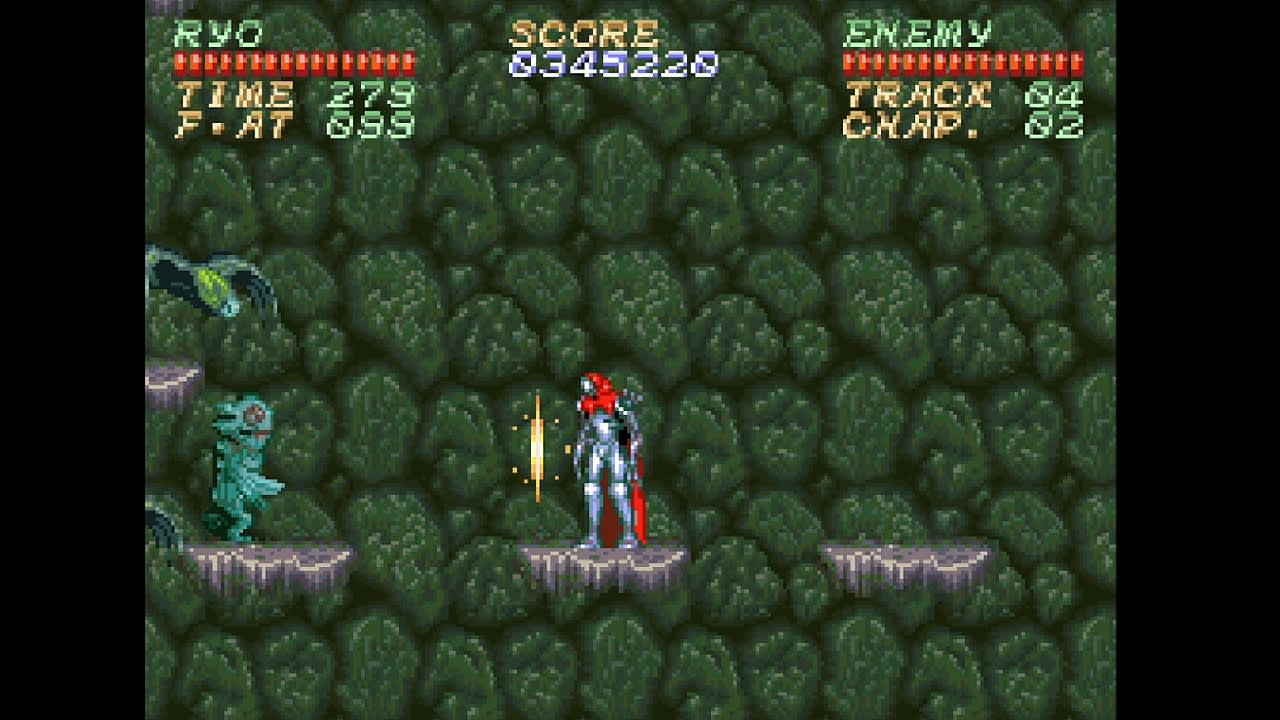
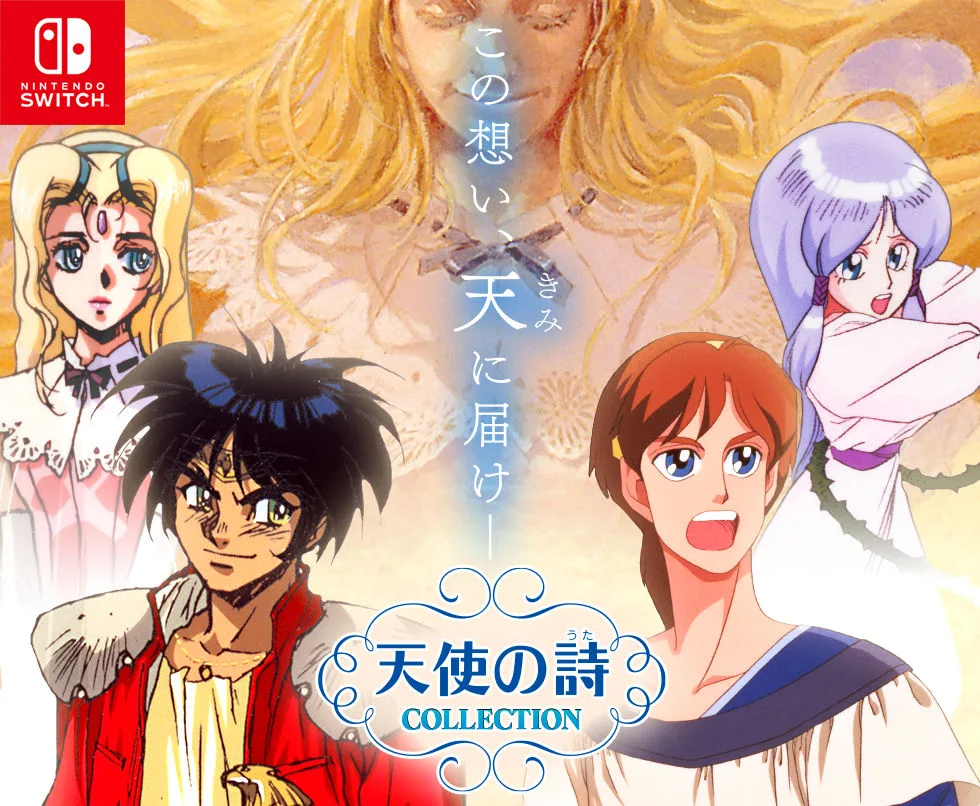
Tenshi no Uta: The Angel’s Verse and Tenshi no Uta II: The Fallen Angel’s Choice were important early RPG projects for Naruke. Working on this series, which drew on Celtic mythology, also established her professional relationship with Akifumi Kaneko, who would later lead Wild Arms.
Discussing Tenshi no Uta II, Naruke recalled that rather than writing a new, grandly classical piece that sounded like a conventional final-boss theme but stood apart from the preceding music, she brought the regular battle theme into the closing stages in a rock-orchestral arrangement, retaining its straight eighth-note feel. Music the player had heard earlier could return at the end with a different meaning. This became an important approach she would also use in Wild Arms 2.
Wild Arms: From Western signifiers to a musical language of its own
Working with Akifumi Kaneko: Establishing a shared language first
After leaving Telenet Japan and becoming a freelancer, Naruke received a commission for a new RPG from Kaneko, who had left the company at around the same time and founded Media.Vision with former colleagues. That game was 1996’s Wild Arms. Naruke has described Kaneko as one of the first people to clearly recognize and value her individual musical voice.
The music of Wild Arms did not emerge from simply imitating the surface features of reference tracks. During production, Naruke visited Media.Vision frequently for lengthy discussions with Kaneko. Their conversations ranged beyond the game to anime, films, manga and contemporary popular culture. What mattered was understanding why the other person liked a particular work or piece of music, and finding points of connection between their tastes and sensibilities.
The resulting music cannot be contained by the single word “Western.” Alongside whistling and sounds that suggest open wilderness, it embraces choir, fusion-inflected battle music, lyrical melodies, religious sonorities and traditional instruments. Westerns supplied an important direction, but not the only rule governing the series.
Whistling and spaghetti Westerns: The origins of a signature sound
Two of Kaneko’s initial suggestions were the atmosphere of spaghetti Westerns and the use of whistling. Naruke revisited Western films and their music, studying a variety of works. She also noticed how Japanese period-drama scores had absorbed aspects of Western scoring. The wilderness of Wild Arms was therefore not a straightforward imitation of Hollywood Westerns: it was reconstructed through Japanese popular culture, film music and the context of the JRPG.
The first game’s opening piece, 荒野の果てへ, became one of the series’ defining themes. Naruke has said that she paid close attention to melodic range and singability so it could be whistled naturally. Establishing a melody as something that can first be sung, then turning it into an instrumental theme, is an approach that runs through her later work as well.

The PlayStation years: Large recording sessions and vocal music
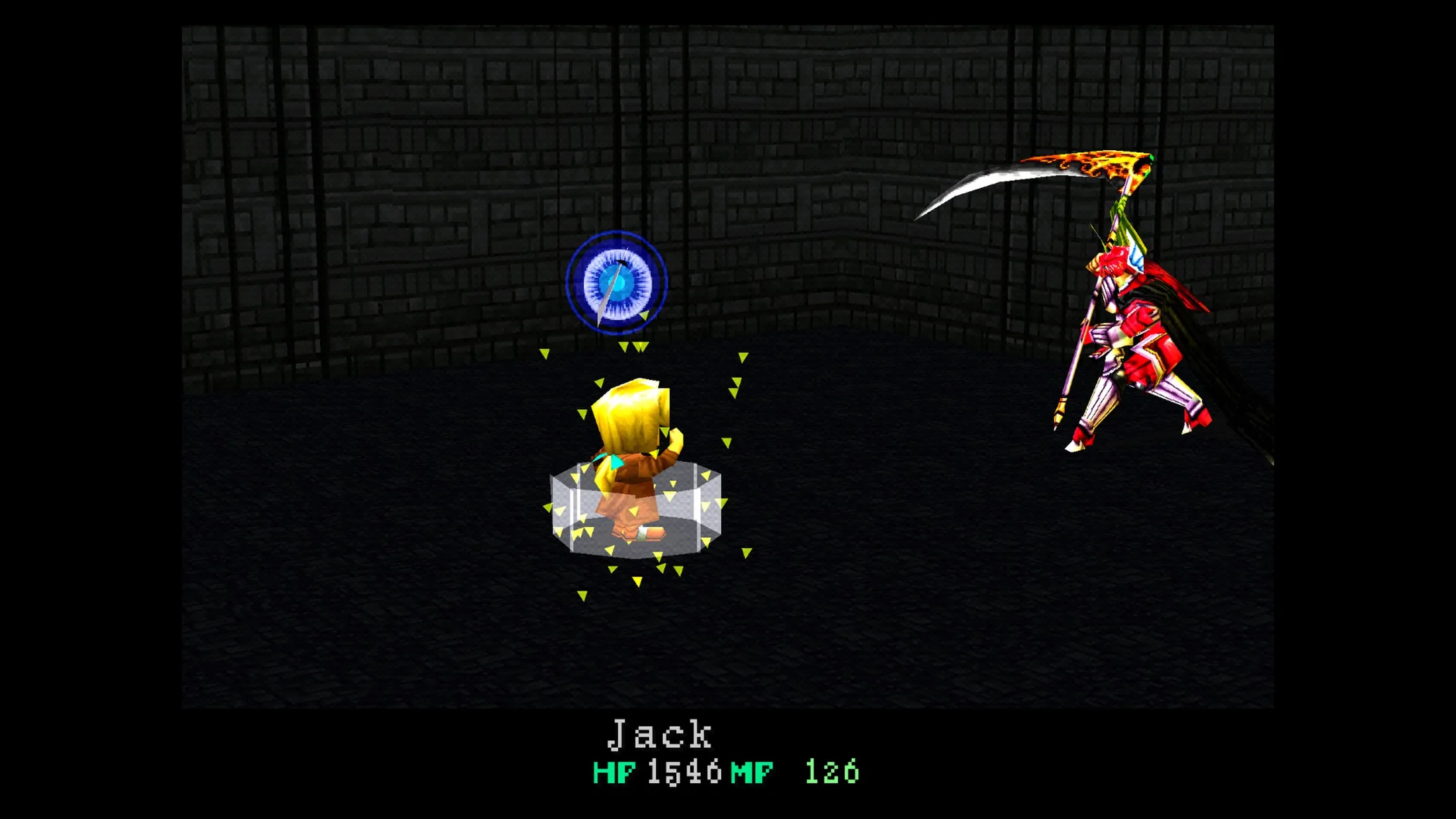
Much of the first Wild Arms’ in-game music was built around the PlayStation’s internal sound hardware, but important events also featured live orchestral recordings. This was Naruke’s first experience participating in a large acoustic session at a professional recording studio. Composer and arranger Kazuhiko Toyama orchestrated the music for an ensemble of around forty to fifty players. She recalls that he respected the character of the original pieces rather than making the arrangements unnecessarily elaborate. His treatment of a choral piece she had written by developing the image of Gregorian chant understood her intentions beyond what she had imagined. Deeply moved by his work, she described the experience as feeling that a small circle had been nurtured into a larger circle without losing its shape.
The game also expanded her use of singing. The ending piece, 青空に誓って, was initially conceived as an instrumental before lyrics were added and Machiko Watanabe sang it. A choir from Keio University also participated in the choral music. Naruke has spoken of the power and density of information in the human voice that instruments alone cannot replace. In later Wild Arms games, songs would become more than opening or ending decoration: they would connect to characters, narrative turning points and the series’ identity.
Wild Arms 2 and Wild Arms 3: Themes, lyrics and background music as song
Building songs into the project from the outset
Songs took on an even larger role in 1999’s Wild Arms 2. Whereas the first game had included a late-production change from instrumental music to a vocal piece, the second established the placement of its theme songs early on. Singer Kaori Asoh joined at Kaneko’s suggestion. Naruke recalls that Asoh’s ability to convey many different emotions and singing styles broadened what a song could do within the story.
Around this time, Naruke also became more deeply involved in writing lyrics. She had long composed melodies by singing them, and the provisional words she supplied for demos sometimes became the finished lyrics. That was how her lyric writing began. She values words that listeners can understand without consulting a lyric sheet, and lyrics that read as a coherent story from beginning to end. Her sense, shaped by anime songs, that children should be able to remember and sing a piece also informs this approach.
Wild Arms 2 required a very large amount of music: even the officially included pieces numbered more than one hundred. Naruke recalls writing around two hundred when rejected pieces are counted as well. The experience of producing so much music helped her develop her own working procedures and criteria for making decisions.
Theme songs as the story’s framework, rather than a finishing touch
The closing stages of Wild Arms 2 did not end solely with a new final-boss piece detached from the preceding story. Instead, the final battle brought back the accumulated memory of themes and songs from the earlier parts of the game. Naruke has explained this in terms of consistency across the score as a whole. Precisely because players have heard this music repeatedly throughout the story, it acquires a new meaning when it returns at the end.
This can be understood as more than the use of leitmotifs: it is structural design that draws on the player’s memory. A melody is first connected to a character, journey or lyric. Later, its instrumentation, tempo or dramatic placement changes. Hearing that same melody then recalls earlier experiences at the same time, allowing the story to be woven together through music.
Wild Arms 3: The game in which her method took shape
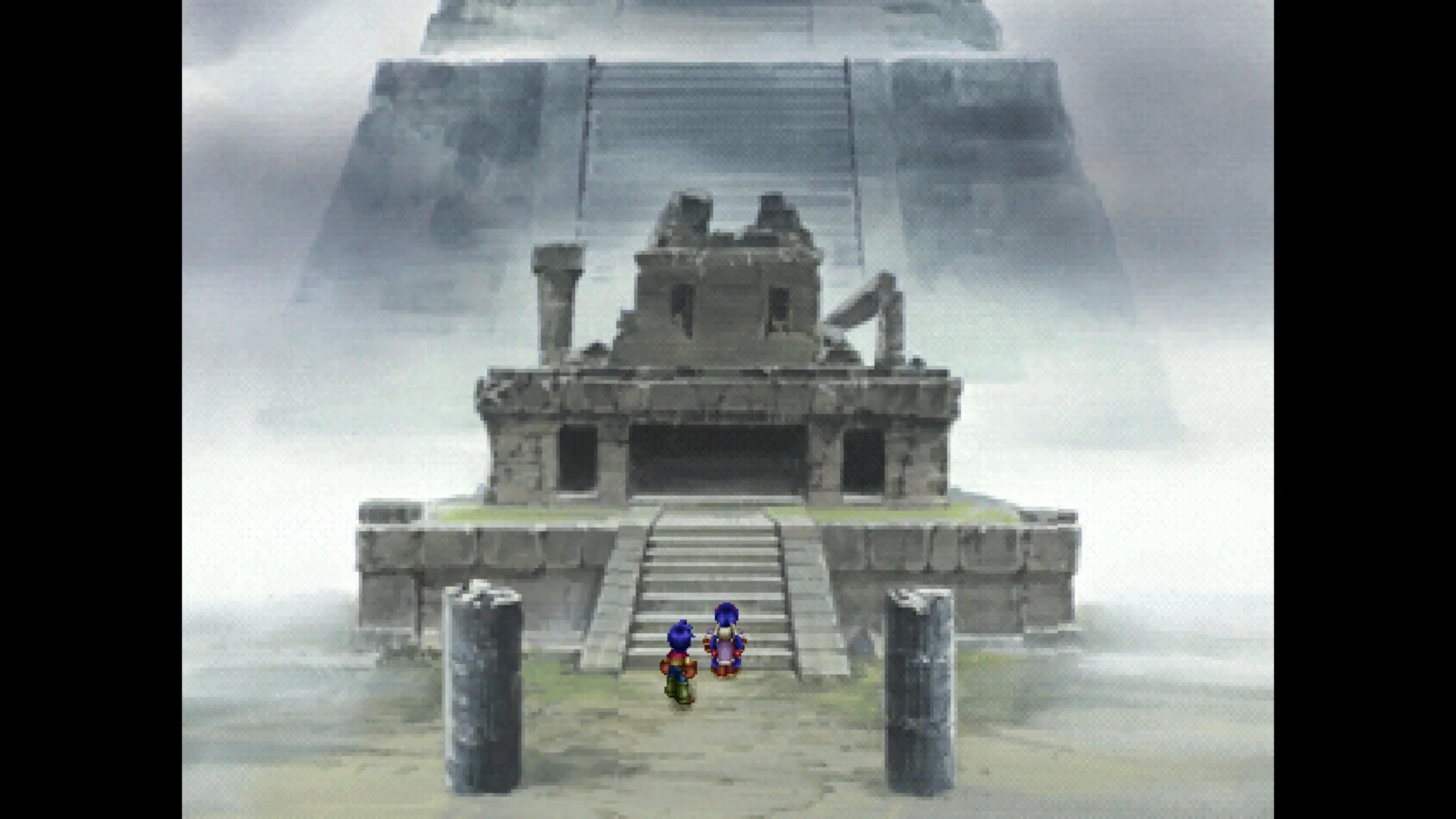
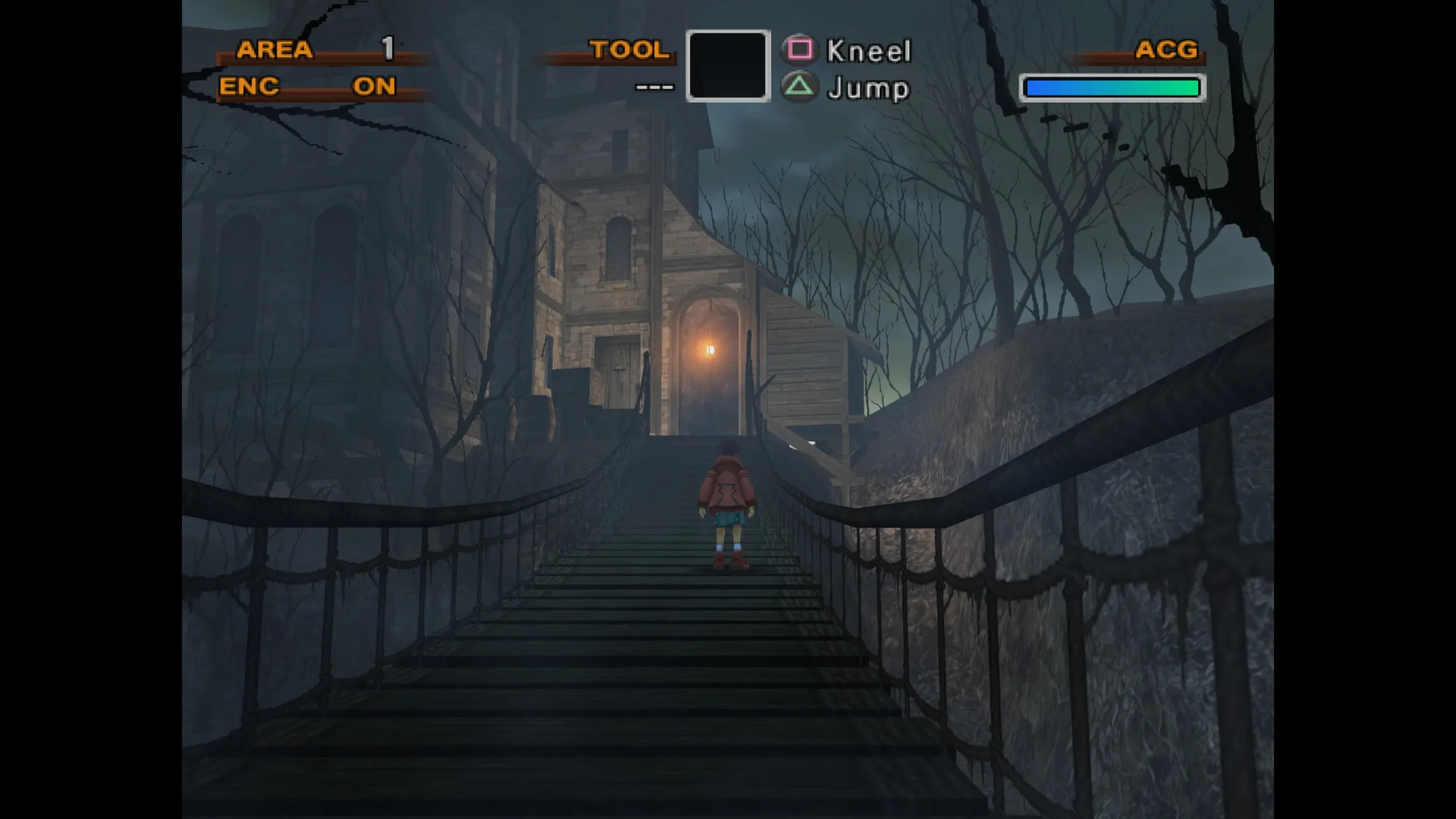
Naruke identifies 2002’s Wild Arms 3, titled Wild Arms Advanced 3rd in Japan, as an important work in which her compositional method found a clear form. The third game strengthened the Western coloring and the dramatic, graphic-novel-like texture. She also came to feel that her approach to melodic lines, structure and harmony offered a method she could continue using in the future.
Recalling 砂塵、逆巻いて, she has said that the melody, harmony and structure came together almost naturally, from the beginning to the end and through the loop that takes the game music back to its opening. It reaffirmed her sense that even when she writes background music for a game, it is essentially still a song to her.
She also describes her method as writing a score vertically. Rather than completing the melody first and adding accompaniment afterward, she determines harmony, countermelodies, answering phrases and the responses of the whole ensemble as the main melody advances. She builds the music’s horizontal flow and the vertical relationships between voices at the same time. This connects to the sense of music as an ensemble that she developed through Electone and wind ensembles.
Alter Code:F and Wild Arms 4: From an individual foundation to a team of composers
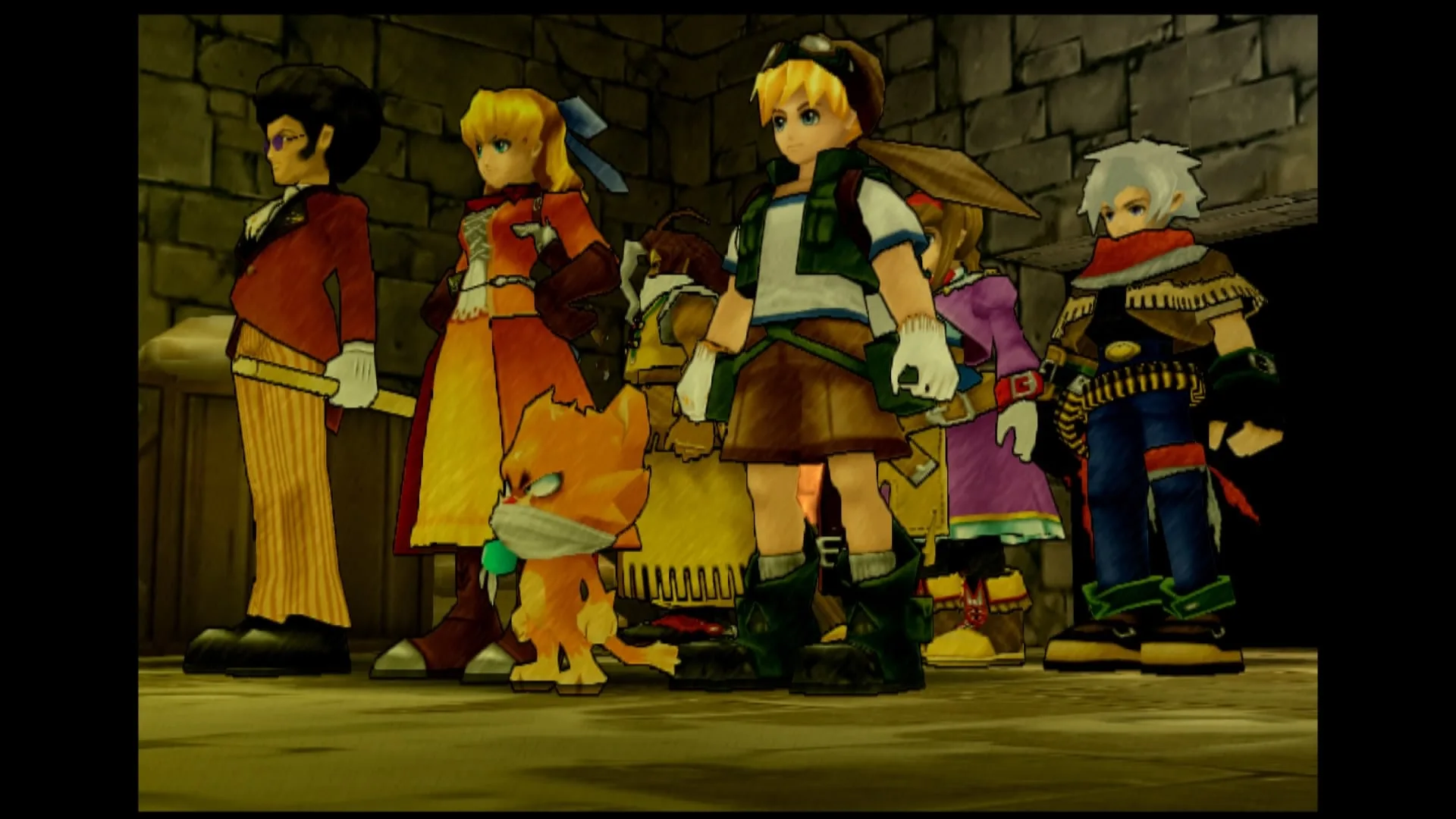
For 2003’s Wild Arms Alter Code:F, the first game’s music was extensively reworked and reconstructed with a larger recording setup. Naruke later spoke of the difficulty of rearranging her own earlier compositions, as well as coordinating with numerous engineers during production.
With 2005’s Wild Arms 4, music production expanded to involve several composers. Masato Kouda, Nobuyuki Shimizu, Ryuta Suzuki and others joined Naruke. The series moved from a model in which one composer handled the whole score toward one built by a larger team. Any account of Wild Arms’ musical history therefore needs to distinguish the early sound Naruke helped establish from the later development involving multiple writers.
Beyond Wild Arms: Arrangement and adapting to different worlds
Super Smash Bros.: Translating music into the game’s pace
Many game music creators contributed official arrangements to 2008’s Super Smash Bros. Brawl. Naruke’s contributions included 時のオカリナメドレー and とげとげタルめいろ, the latter known in English as Bramble Blast.
For the Ocarina of Time medley, she first transcribed all the melodies available to her, then sang them herself while selecting combinations, spending more than a week shaping the piece. In arranging David Wise’s Bramble Blast, she did not simply transplant the original’s floating, ambient character. Instead, she increased its forward drive to suit the fast action of Smash Bros. She has said this decision was also informed by her long experience writing Wild Arms dungeon music for spaces in which the player keeps running.
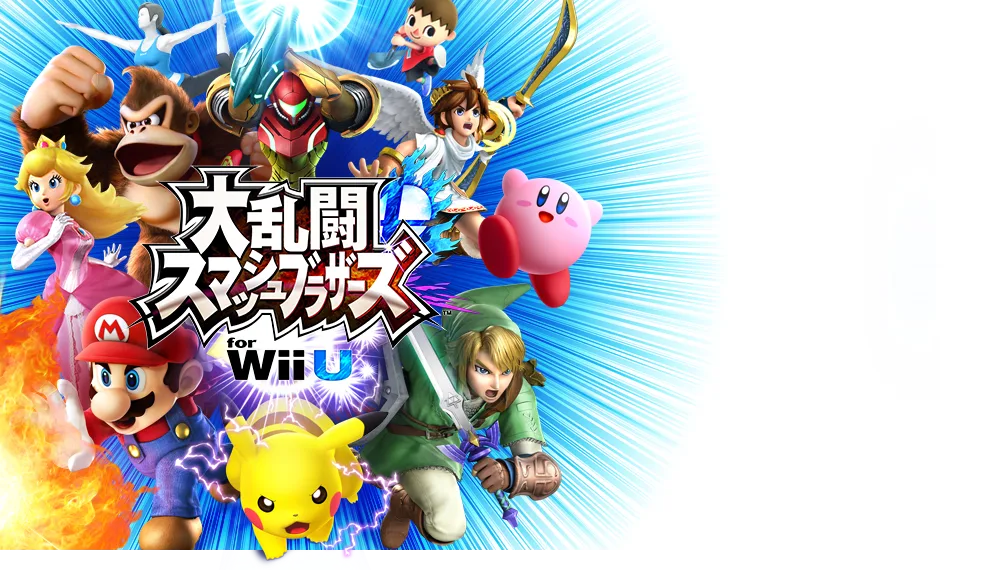
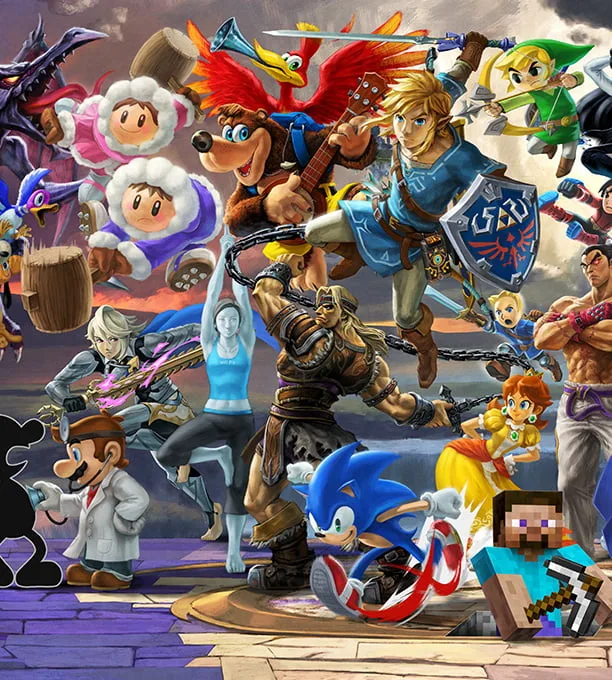
She continued to contribute as an arranger to Super Smash Bros. for Nintendo 3DS / Wii U and Super Smash Bros. Ultimate. These projects demonstrate not only her ability to write original melodies, but also her ability to identify the core of an existing piece and reposition it for a new game’s pace and feel.
The Wizard of Oz: Beyond the Yellow Brick Road: Distinct roles for background music and songs
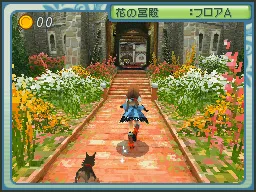
On the 2008 Nintendo DS title RIZ-ZOAWD, later released in English as The Wizard of Oz: Beyond the Yellow Brick Road, Hitoshi Sakimoto served as sound producer and handled the principal background music, while Naruke wrote the opening and ending songs. Kaori Asoh, her longtime collaborator since Wild Arms, provided the vocals.
Naruke has said that to avoid being overly influenced by the musical image of existing Wizard of Oz adaptations, she imagined her own side story for Dorothy and wrote songs from that conception of the character. Melody and lyrics often emerged together. She would first consider what the character was saying and the first-person voice in which she would say it, then align the length of the words with the melodic phrases.
ノーラと刻の工房: A coherent soundtrack without relying on Westerns
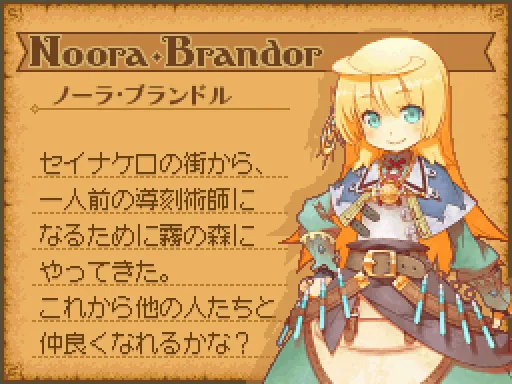
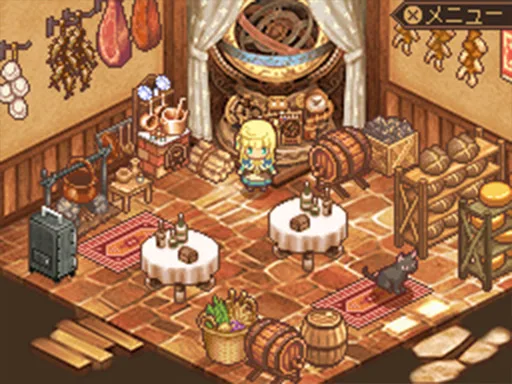
The 2011 game ノーラと刻の工房 霧の森の魔女 is an important work for understanding Naruke’s range. Its Nordic-inspired world, handicrafts and daily life called for music with a light, unassuming folk character, very different from the wilderness of Wild Arms. Kaori Asoh sang the opening and ending songs.
Naruke has described sometimes turning an image into singable words, then considering it together with melody and ensemble writing. Pieces such as 刻の工房, まいにちの暮らし and たたかいの刻 have a clear thematic identity while remaining suited to repeated listening during workshop activities and everyday tasks.
Atelier Firis: Understanding the project’s musical culture first
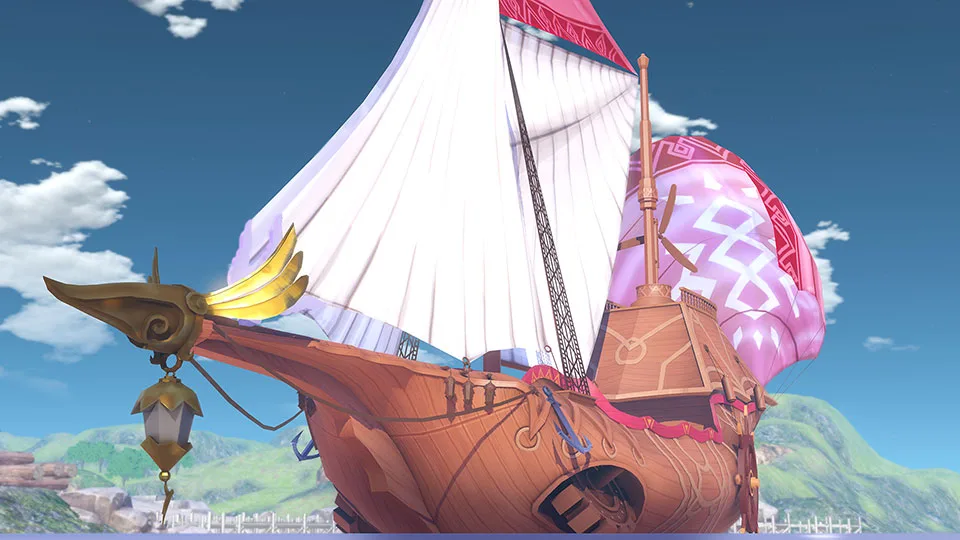
For 2016’s Atelier Firis: The Alchemist and the Mysterious Journey, Naruke wrote the lyrics, music and arrangement for the journey-event song 嵐を越えて, sung by Haruka Shimotsuki. As a player of the Atelier series herself, she prioritized the qualities she understood as belonging to Atelier and the feeling of travel the game needed, rather than putting her own recognizable style first.
The project illustrates her adaptability. Having a strong musical identity does not mean bringing Wild Arms’ whistling or wilderness instrumentation into every game. When working on an outside property, she first understands the musical culture it already possesses, then decides what she should contribute to it.
The independent Feedback series and writing music as dramatic scoring
Around 2013, Naruke began working on her independent Feedback series. Encountering the independent activities of Haruka Shimotsuki, MANYO and others helped her recognize the possibility of organizing everything herself, from planning and production to contact with listeners. Independent music events such as M3 became places where she could bring her work directly to an audience.
Discussing 希望の砂塵 from Feedback, Naruke explained that she had imagined specific scenes, characters and even camera movements while composing it. The chorus was not merely the exciting part of the music: it corresponded to events in her imagined film, such as reinforcements appearing. She says she tends to think in terms of dramatic scoring regardless of the type of music she is writing. If a commission does not suggest a clear visual scene, she may supply a story or background of her own.
This method helps explain why her instrumental phrases often have the inflection of prose or conversation. Noriyasu Agematsu once compared the exchanges between her melodies and countermelodies to letters, a metaphor Naruke herself accepts. The main melody speaks and the countermelody replies, as though the music were an ongoing exchange of spoken language.
Recent work: Eiyuden Chronicle: Hundred Heroes
Eiyuden Chronicle: Contributing melodies, places and characters within a large team
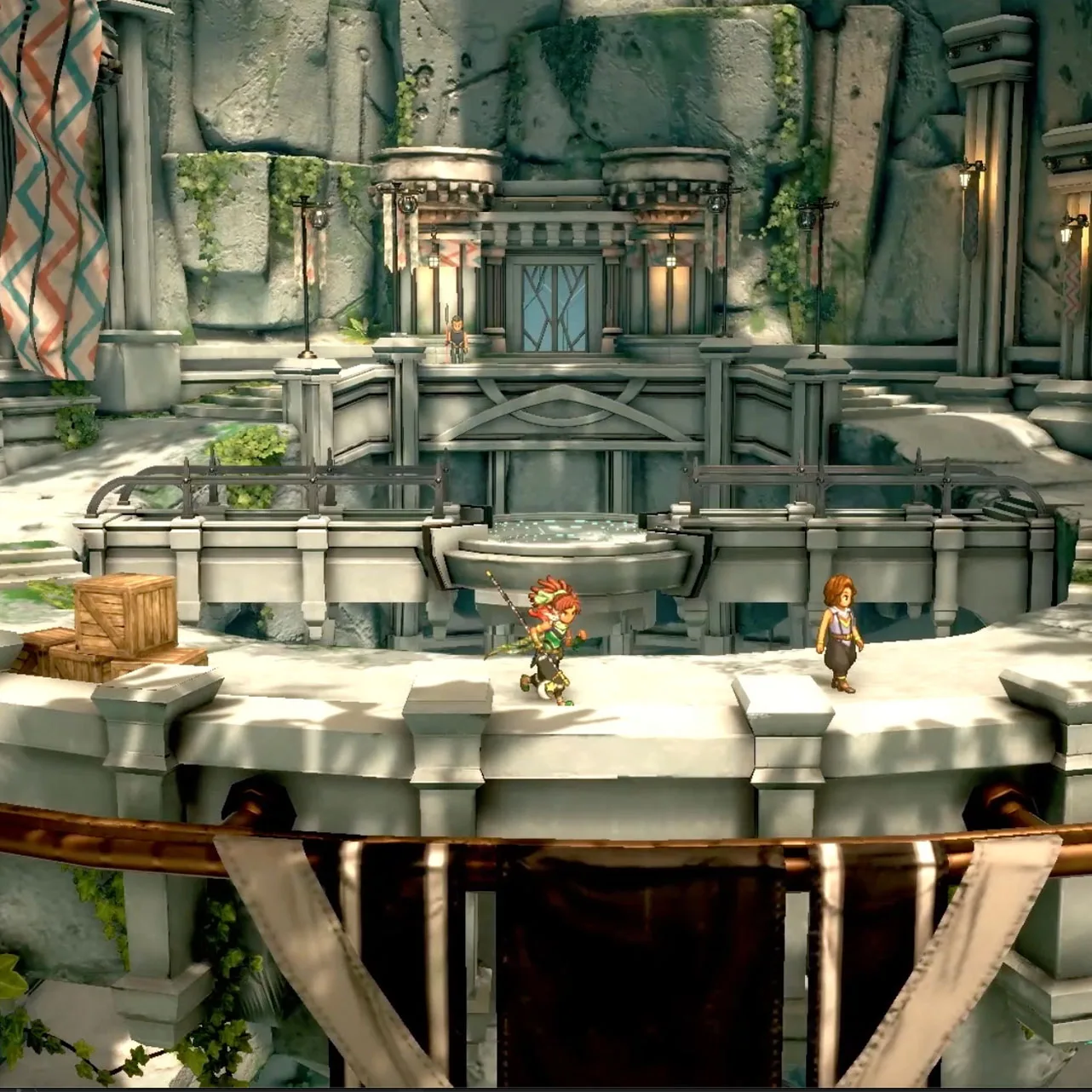
The 2024 RPG Eiyuden Chronicle: Hundred Heroes was made by many composers, arrangers and recording staff. Its music involved Motoi Sakuraba, Michiko Naruke, Go Yanagawa, SiN and others, with Noriyuki Iwadare and MIZ among those contributing to arrangements. Rather than treating the entire soundtrack as the work of just a small number of composers, it is more useful to see a project that integrated each contributor’s material within a larger musical design.
Naruke contributed material associated with locations, characters and the headquarters, including Arenside, Departure, Forest, Runebarrows, Village, Together with Friends, Seign’s Theme, Marisa’s Theme, Eltisweiss and Headquarters - Developing. Sarah Àlainn sang the theme song Flags of Brave. In writing its lyrics and composing the song as a whole, Naruke considered its relationship to the main theme that introduces the story. To create that connection, she deliberately quoted the memorable opening phrase of Sakuraba’s main theme, 百英雄伝~英雄達の出立, incorporating it into the song. Both Noriyuki Iwadare and Naruke were involved in the arrangement.
These recent credits illustrate a production model in which a composer does not shoulder an entire large RPG alone. Instead, each works on particular themes, characters, towns and vocal pieces within a group of composers, arrangers and recording teams, while a sound producer or sound director brings the whole together.
Creative methods and musical characteristics
1. A melody begins as a phrase that can be spoken or sung
Naruke repeatedly connects instrumental melody with song. Singability is not a requirement reserved for vocal music. Even scene music and battle themes have breathing, inflection and something like the ending of a sentence. She wants a melody to stay in the ear as a complete phrase. Her long experience listening to and performing popular songs, anime themes and wind music informs writing that gives listeners a phrase they can grasp on a first hearing.
An objective account of her characteristic melodic style is better served by examining how her melodies continue like language than by identifying a particular chord progression. A main melody asks a question, a countermelody answers, and harmony gives a phrase ending a sense of continuation or a turn in direction. Agematsu’s metaphor of letters captures this quality well.
2. Returning themes connect the player’s memories
From Tenshi no Uta II to Wild Arms 2, Naruke has repeatedly brought material heard in the earlier part of a game back into a final battle or other important scene. The purpose is not simply to unify the score thematically. It is to draw on the listener’s existing musical memory and give the same melody a different meaning.
When analyzing her work, it helps to look beyond which boss theme is the most intense. Ask where a melody first appears, what instrumentation or tempo it returns with, and whether it connects to a character, lyric or promise within the story. Those questions make her design easier to understand.
3. Composition and arrangement together: Writing the score vertically
In discussing Wild Arms 3, Naruke explains that she works on composition and arrangement together from the start, rather than writing the melody and adding an arrangement afterward. As the melody takes a step, the countermelodies, chords, answering gestures and movement of individual voices are decided along with it. Melody and ensemble therefore exist as one structure from the beginning.
This accords with the musical sensibility developed through Electone and wind ensembles. Music is not one melody plus accompaniment, but several voices acting simultaneously. Even within a short loop, the parts can keep conversing with one another, sustaining internal movement without simply adding another section.
4. When a brief is abstract, imagine the story first
Naruke explicitly says she tends to approach any piece as dramatic scoring. If the brief does not evoke a clear scene, she fills in characters, backgrounds and events in her imagination before deciding the tempo, melody and placement of musical peaks. 希望の砂塵 from Feedback is a representative example for which she has explained the method in detail.
Her approach to RIZ-ZOAWD was similar. Rather than following the established image of The Wizard of Oz, she first imagined Dorothy’s inner life and a side story, then wrote the songs. The scene that the music needs to express is established before the music itself.
5. Beyond the reference track: Understanding why someone likes it
Naruke observes that copying the rhythm, instrumentation or genre of a reference track at a surface level may not reach the real request. Understanding a collaborator’s tastes through films, manga, sports and everyday conversation, and asking why they like a particular piece, brings her closer to the answer. Changes in production environments make this degree of interaction difficult to achieve on every modern project. The phrase she uses to summarize the philosophy is person to person. It worked especially clearly in her long collaboration with Kaneko. During the early Wild Arms projects, their lengthy conversations reached well beyond game development, forming the basis of a shared language and aesthetic. That accumulation helped build an ideal relationship in which scenario, direction and music could be adjusted in relation to one another.
6. Westerns are an entry point, not the entirety of her musical identity
Wild Arms made whistling, wilderness and spaghetti Westerns emblematic of Naruke. Yet she has also worked in very different environments: the dark, minimal direction of Psycho Dream; the Nordic and folk colors of ノーラと刻の工房; adapting to the sense of travel in an established property with Atelier Firis; and a large RPG with multiple composers in Eiyuden Chronicle.
Simply calling her a Western composer is therefore inaccurate. What has remained more consistent is her commitment to melody, her understanding of music as part of a story, and her ability to develop important thematic motifs memorably across time. Her strengths also lie in examining characters’ feelings and backgrounds deeply enough to turn them into lyrics, and in adapting her own writing to the different musical cultures of individual projects.
Current activities
In September 2026, while rebuilding her official website, Naruke resumed publishing on note. Her profile describes her as a freelance game music creator and lists Wild Arms, Super Smash Bros., ノーラと刻の工房 and Eiyuden Chronicle among her representative works. Looking across her career from the 1990s to the present, game music has remained central, but her expression has never been limited to in-game background music. She continues to move between vocal pieces including lyric writing, new arrangements of her own and other composers’ music, theater scores, production library music, school songs and independent releases, creating music both inside and outside games.
LUDAMUSEA · COMPOSER PROFILE