
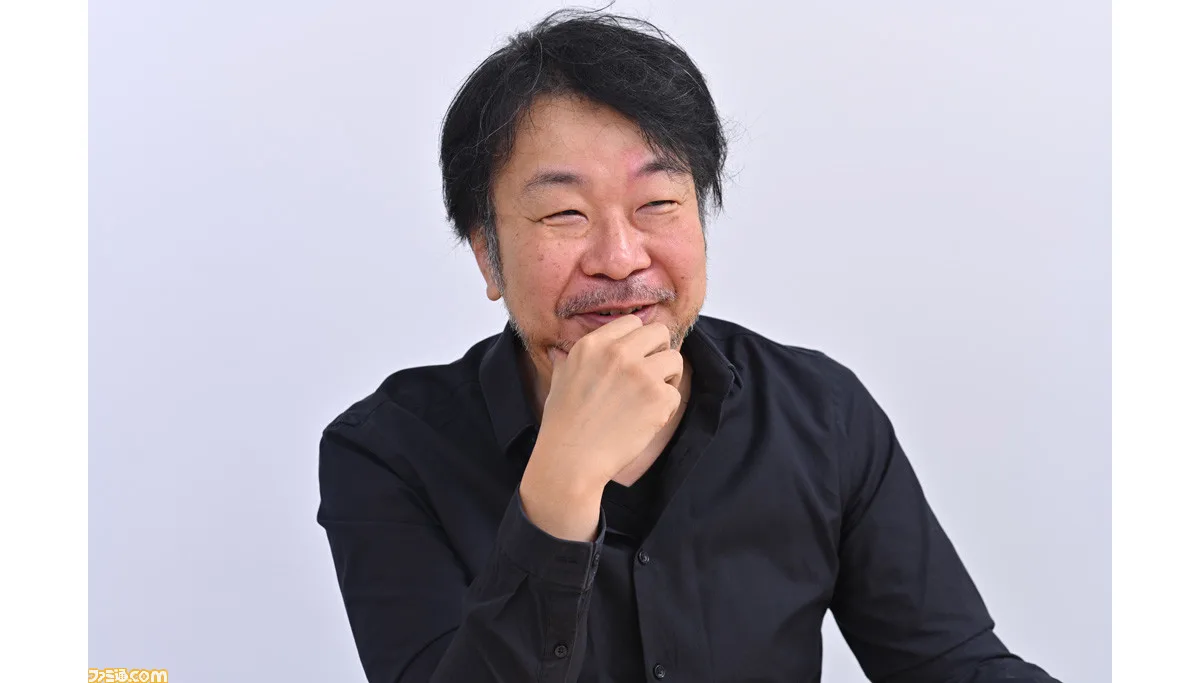
Creative Profile
Shoji Meguro is one of the figures who brought Japanese RPG music into a modern urban rhythm. Rather than relying only on the traditional fantasy-RPG vocabulary of world maps, towns, battles and dungeons, Meguro often begins with the player's daily rhythm, interface actions, battle flow and character identity, organizing songs, loops, menu music and system feedback into one experience.
His long career at Atlus connected him closely with Shin Megami Tensei and Persona. Especially after Persona 3, pop-song structures, English and Japanese vocals, jazz and funk rhythm, electronic timbres and rock guitar entered RPG routine and battle loops with new boldness, forming a highly recognizable identity.
Key Lines of Work
Meguro's music is not simply “stylish.” His key achievement is turning style into system language. Menu music can become part of a character's state, a battle track can carry the player's operating speed, and daily music can connect time management with themes of youth. The stronger acid-jazz and funk vocabulary of Persona 5 is the result of music, UI, city visuals and character fantasy forming one structure.
In Metaphor: ReFantazio, Meguro continued as a core music creator while shifting toward a broader fantasy-political narrative. The project still retains his rhythmic drive, vocal treatment and sharply defined motifs. This shows that he is not only the author of an “urban Persona sound,” but a composer who can transfer his language into different worlds.
Recent Activity
After leaving Atlus as a full-time employee and becoming independent, Meguro has continued to collaborate on Atlus projects while developing his own game project, Guns Undarkness. His identity has expanded from in-house composer to composer, creator and project lead. For game-music research, this matters: he is moving from designing sound to designing a more complete form of game expression.
Ludamusea Note
The most interesting thing to study in Meguro's work is not simply that Persona songs are memorable, but how he turns a song into a shared language for interface, routine, battle and character atmosphere. Many players remember not an isolated melody, but the rhythm formed together by buttons, menus, schedules, victory screens and song.