
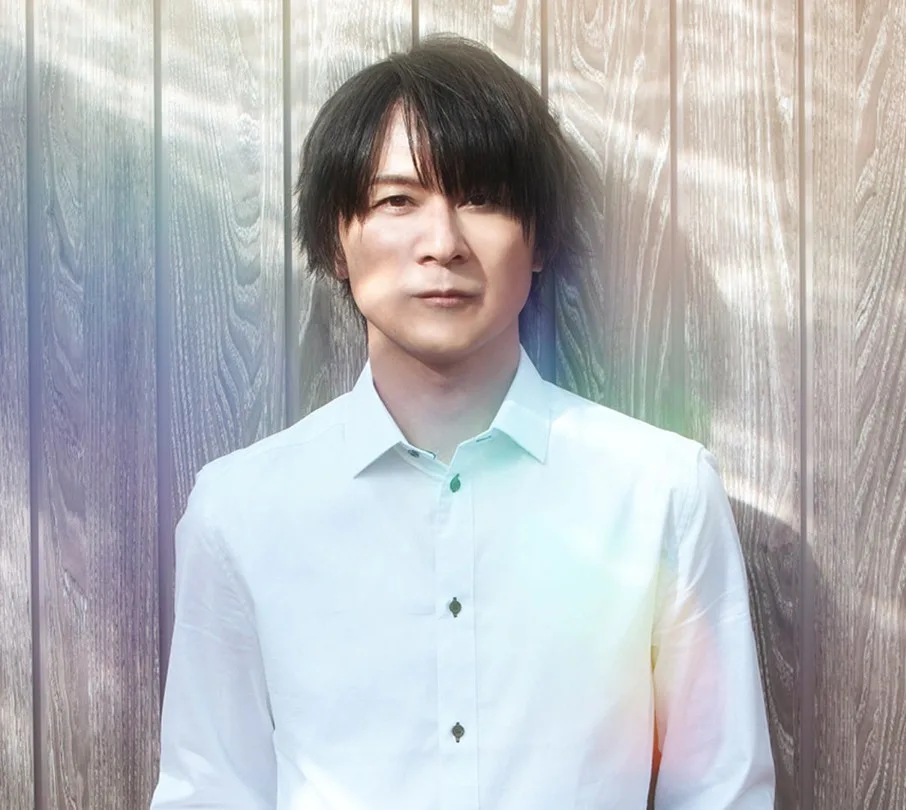
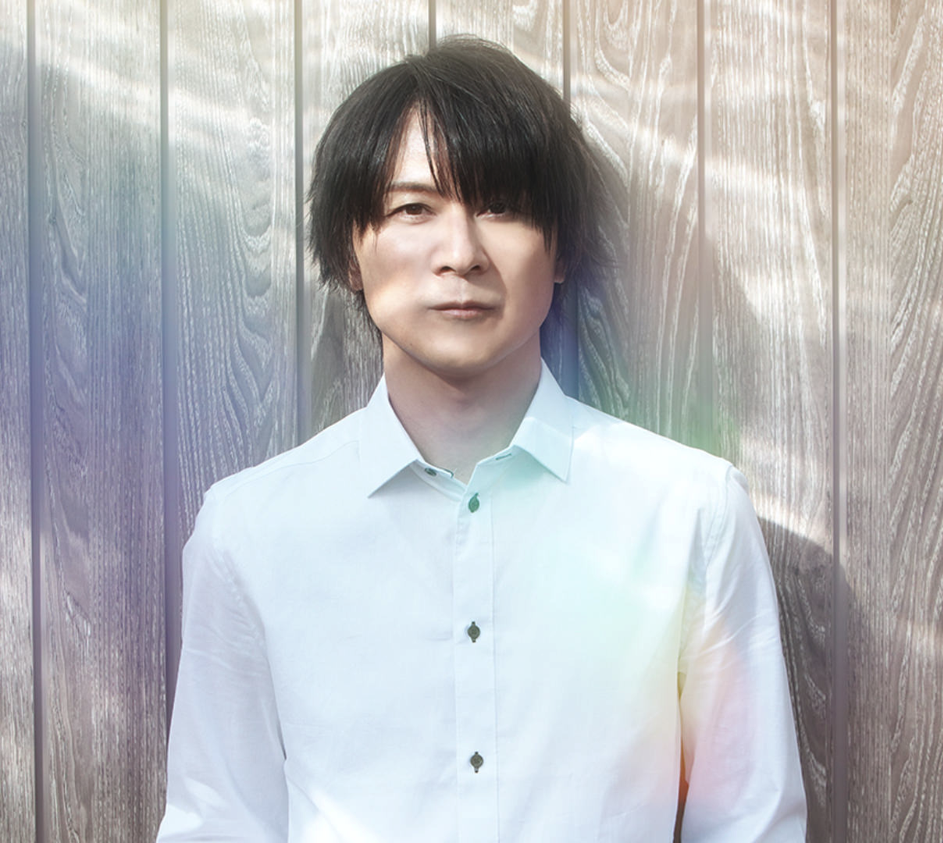
Yasunori Mitsuda: A Composer Who Lets Melodies Cross Time
Yasunori Mitsuda is one of the composers in Japanese game-music history most strongly associated with a sense of time. For many players, his name is linked first to Chrono Trigger, Chrono Cross and Xenogears: melodies with the texture of distant folk traditions, the narrative span of film music and, most importantly, the ability to turn “travel,” “memory” and “the distance between worlds” into themes that can be hummed.
Procyon Studio describes him as a composer, arranger and producer, with Chrono Trigger, Chrono Cross, Xenogears and the Xenoblade series among his representative work. VGMO's profile adds his early path from sound design and effects into Square, explaining why his music has always involved more than writing melodies: it has a strong awareness of timbre, space and production.
Early Years: Film Music, Computers and Square's Sound Work
Yasunori Mitsuda was born on January 21, 1972. According to VGMO, he was influenced while growing up by film music such as Vangelis's Blade Runner and Henry Mancini's Pink Panther, developing an early interest in audiovisual music and emotional storytelling. He also worked with computers, electronics and self-produced music. As a result, when he entered the game industry he was not simply a traditional composition student, but someone able to understand hardware, programming and sound implementation.
In 1992, Mitsuda joined Square, now Square Enix. Before becoming known primarily as a composer, he worked on sound processing and effects for projects including Hanjuku Hero, Final Fantasy V, Secret of Mana and Romancing SaGa 2. This period was crucial. The limits of the Super Famicom sound hardware required constant choices between samples, loops, mixing and memory, and much of Mitsuda's later attention to timbre detail and recording quality can be traced to this experience.
Chrono Trigger: A Breakthrough with a High Cost
Chrono Trigger brought Mitsuda into the center of game-music history as a composer in 1995. VGMO notes that he strongly expressed to Square's management his desire to take real responsibility for composition, eventually receiving this project spanning prehistory, the future, multiple eras and fantasy worlds. The opportunity also brought enormous pressure: he needed a recognizable musical language for a multi-era narrative while giving each period its own scent.
The importance of Chrono Trigger is not only its number of famous pieces. It established a musical grammar for a time-travel RPG: thematic melodies give players an emotional home, modes and rhythmic patterns distinguish eras and regions, and battle and event music maintain clear dramatic momentum within limited hardware. Even though Mitsuda has expressed reservations about the maturity of this early work, it remains one of the most important coordinates in 16-bit RPG music.
Xenogears and Chrono Cross: Otherness, Ritual and Cracks in the World
If Chrono Trigger made Mitsuda visible, Xenogears and Chrono Cross expanded his language. In Xenogears, choral writing, folk-instrument color, religious harmony and the hard edge of mechanical civilization stand beside one another, making the score feel less like background than a continuing signal of the mythology beneath the world. Chrono Cross uses more mature recording and arrangement to blend Celtic, Mediterranean and island-music colors with JRPG lyricism, creating a highly recognizable “sea wind from another world.”
Mitsuda's special quality is that he rarely uses “otherness” as surface collage. He is more interested in how timbre can suggest cultural memory, how rhythm changes the body's sense of a place and how a melody can retain the scent of one world across different ensembles. This is why players often remember his work as the sound of “a place” or “a journey,” rather than simply as individual tracks.
Independence and Procyon Studio: From Composer to Producer
Mitsuda left Square in 1998 and established Procyon Studio in 2001, becoming its representative. The official profile makes clear that his work extends beyond games into television, film, animation, songs for artists, album production, overseas recording, live events and writing.
This means that after the 2000s Mitsuda increasingly occupied a compound role: he remained a composer while also working as recording supervisor, producer, label operator and project organizer. Xenosaga Episode I, Soma Bringer, Kid Icarus: Uprising, Soul Sacrifice Delta, the Inazuma Eleven series, the Black Butler anime series and FINAL FANTASY XV Episode Ignis show his continued movement between game, anime and cross-media projects.
The Xenoblade Series and Ensemble Writing
Mitsuda's role in the Xenoblade series is particularly revealing. He does not always write all the music alone, but often helps construct a large RPG sound system with multiple composers. Procyon Studio's works list includes Xenoblade Chronicles 3, Xenoblade Chronicles 3: Future Redeemed and related soundtracks and box sets, with duties including composition, arrangement and orchestration.
This ensemble production differs from early single-composer theme writing and is closer to the reality of a modern large-scale RPG: the world is bigger, emotional layers are more numerous and the score must maintain a unified atmosphere across multiple composers. Mitsuda often takes the role of thematic center and world-building texture, giving a multi-author project long-line melodies and emotional axes that players can still recognize.
Recent Activity: From Delicious in Dungeon to New Projects
In recent years Mitsuda has remained highly active. Procyon Studio's works list shows his participation in Xenoblade Chronicles 3 in 2022; Xenoblade Chronicles 3: Future Redeemed and guest-composer work on Sea of Stars in 2023; and composition and arrangement for the TV anime Delicious in Dungeon and composition, arrangement and orchestration for the VR action game SOUL COVENANT in 2024.
The 2025 list also includes TV animation “Delicious in Dungeon” Original Soundtrack -Analog Best-, Across the Kosmos ~ Xenosaga Piano Collection, ANOTHER EDEN ORIGINAL SOUNDTRACK 7 and music for NHK-related productions. For 2026, the official list includes Chronoscript: The Endless End, Edge of Memories as a guest-composer credit and Another Eden Begins. The 2027 entries include Delicious in Dungeon Season 2 and Xenoblade Genesis. These future projects should be read according to the official works list; release and project details remain subject to later announcements.
Musical Characteristics: Melody, Timbre and Themes That Do Not Fade
Mitsuda's music is often summarized as melodically beautiful, but that is only the surface. More precisely, he writes “melodies with a memory of place.” A melody is not only a character theme; it can also be the fingerprint of a climate, landscape, culture or layer of time. He often uses folk-instrument color, compound meter, broad string and woodwind lines, and soft transitions between electronic and acoustic timbres.
In a personal comment on the Procyon site, Mitsuda says that he has continued to try something new in every project and hopes to create music that will not fade after many years, but remain in listeners' memories. This is close to the heart of his work: his music is not designed only to function in the immediate scene. It wants to let a player remember, long after finishing a game, “I once went there.”
Selected Works
- Chrono Trigger / Chrono Cross
- Xenogears / Xenosaga Episode I
- Xenoblade series
- Soma Bringer
- Kid Icarus: Uprising
- Soul Sacrifice Delta / SOUL COVENANT
- Inazuma Eleven series
- Black Butler anime series
- FINAL FANTASY XV Episode Ignis
- Delicious in Dungeon
- Sea of Stars (guest composer)
- Another Eden music projects